
It’s easy to imagine a tiny shrub in a small nursery container fitting right in almost anywhere. Three or four planted together could give a new border a nice sense of volume. But what if all those little plants grow up to be 5 feet tall and wide? Your border might quickly become a thicket of overgrowth, leaving no room for walking paths or sunlight and air to get through.
The container size doesn’t indicate how big a plant will be once it reaches its full size in your garden. Look up a plant’s expected growth rate and habit before planting it. If a plant has an upright growth habit, it’s going to take up space in a different way than a plant that grows in a round mound shape or with wide-spreading stems. Also keep an eye on mature height because taller plants will cast shadows on other, shorter plants.
One common cause of overcrowding is trying to avoid looking like you have an incomplete border. It’s tempting for new gardeners to reduce the distance between plants until the bed looks filled in. However, while you’ll have a fully planted bed in year one, it might be hard to water, weed, deadhead, or prune those densely packed plants. Plants next to a walkway can easily encroach into the path as they grow. It’s important to plan for the mature garden as well as the newly planted one.
To determine proper spacing, draw up a top-view map of your bed. Use paper or a whiteboard. Select a few plants you want to add and draw a circle around each one to show the rough area they will take up when they’re fully grown. Don’t try to match the size of their current pots. Once you’ve mapped them out, see if any of the circles overlap too much, extend over a walkway, or don’t leave space for the plants next to them. If they do, move them around on paper until you find a layout that works for all of them.
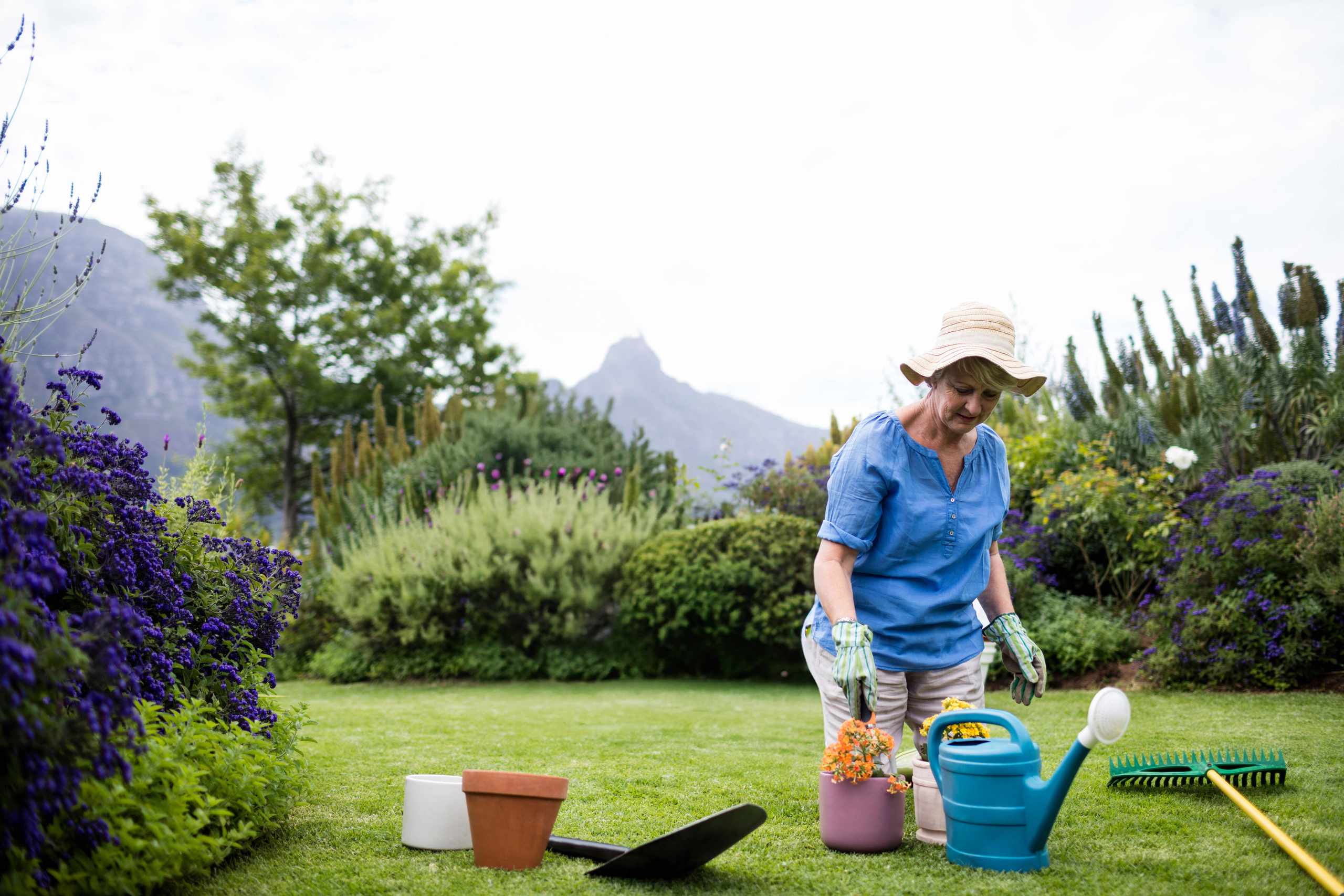
You can also try out different arrangements in your garden. Keep your plants in their pots and arrange them on the ground where you’d like to place them. A tape measure, garden labels, or a couple of wooden stakes can come in handy when measuring out how much room each plant needs. Step back and consider the whole bed as a unit, not just individual plants. Think about where you want taller plants, whether shorter plants will get enough light, and whether there will be adequate room to maintain the garden as the plants grow.
Remember that spacing doesn’t mean you have to have bare patches of dirt forever. You can mulch around young plants as they grow and establish themselves. Some ground covers grow low to the ground and won’t compete with larger plants. And you can use seasonal annuals to temporarily fill a spot while a newly added perennial or shrub finds its footing. A young garden doesn’t have to look like it’s missing something, but plants still need room to grow.
Rather than reaching for yet another plant to plug a space, imagine what your garden will look like when it’s mature. Read up on a plant’s mature size, then compare that to the space available in your garden. Consider whether it will have enough room for you to water, weed, and prune it in the future. Chances are, the gaps will fill in on their own.