
How Garden Planning Practice Works
LandGarden focuses on practical garden decisions: observe the site, measure the space, match plants to sunlight and moisture, test a layout, and adjust the plan as growing conditions become clearer.
PRACTICE PRINCIPLES
A More Useful Way To Plan A Garden
Observe Before Choosing
Sun exposure, partial shade, soil moisture, and access are checked before plants are selected, so the planting plan responds to the actual site rather than appearance alone.
Measure Before Placing
Simple measurements help connect mature height and spread with the
available bed space, reducing the temptation to crowd young plants into every visible gap.
Test Before Digging
Pots, plant labels, stakes, or a paper sketch can reveal awkward spacing, blocked pathways, and unbalanced plant groupings before the layout becomes difficult to change.
Plan For Maintenance
Beds are considered with watering, weeding, pruning, mulching, and access in mind, so the garden remains workable as shrubs, perennials, and ground cover fill their space.
Read The Sun
Observe one area at different times of day to separate full sun, partial shade, and deeper shade before assigning plants.
Check The Soil
Handle a small soil sample and watch how a watered area drains to build a clearer picture of texture and moisture conditions.
Mark The Layout
Use pots, labels, or temporary markers so plant positions are easier to adjust while checking spacing, pathways, and access.
Observe The Changes
Growth, flowering periods, dry patches, and changing shade become useful clues for adjusting later planting and maintenance decisions.
Practice With One Manageable Garden Area
Working with one bed or border makes it easier to compare layouts, check mature plant spacing, prepare the soil, and notice how watering and access work before applying the same thinking to a larger garden.
Four Parts Of The Garden Approach
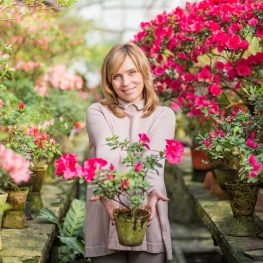
Assess The Site
Note sunlight, shade, soil moisture, existing plants, boundaries, and
access before deciding what the garden needs.
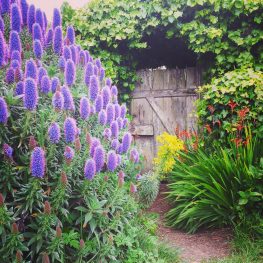
Sketch The Space
Mark beds, borders, pathways, open areas, and existing features on a simple plan before choosing final plant positions.
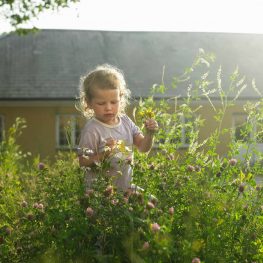
Match The Plants
Compare growth habit, mature spread, height, flowering period, and site conditions instead of selecting plants by appearance alone.
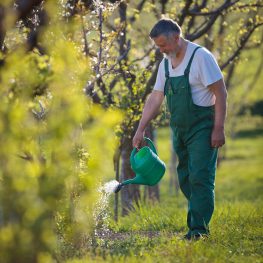
Review The Garden
Watch how plants grow, where soil stays dry, and which areas become difficult to reach, then use those observations to refine later decisions.